
About · The project · The founder
Sharpnel is built by one person who needed this terminal for his own trading and couldn't find it. The engine version is stamped in the corner of every workspace, the build the download hands you is held steady rather than moved under you, and the public changelog is where progress lives — nothing about the build is hidden.
The thesis: the professional terminal market has not been seriously re-thought in thirty years. Institutional tools are expensive, retail tools are shallow, and the gap between them is where I live. This is the tool I wanted for my own trading and couldn't find, rebuilt from scratch for everyone who wants it at a fair price.
Why Sharpnel exists
Serious orderflow tooling sits behind a $25,000-a-year institutional subscription or a patchwork of single-purpose products that haven't had a real redesign in a decade. The in-between — a modern, fast, full terminal for the independent trader — didn't exist. So the choice was: pay a desk price as a retail trader, or stitch together tools that are each missing half the surface.
Put GEX walls on the same chart as the DOM, footprint, and tape — then the orderflow heatmap, TPO, macro and intermarket context around your levels, and alerts. One workspace instead of five subscriptions that never talk to each other, priced at a fraction of an institutional seat — and it keeps shipping.
Principles
Every deliverable is its own week. No week gets skipped. No feature ships behind a “beta” sticker. If it isn't ready for a professional trader, it isn't on the product.
Most trading platforms are built by committees and funded by outside capital. That makes them safe, slow, and consensus-flavored. Sharpnel is built by one person with opinions — the product has taste because one person gets the final say.
I'm not building Sharpnel to sell it. The incentive is to make the best terminal on the market and keep subscribers happy for the long haul. That alignment is visible in the product.
Your workspace is yours — charts, scripts, and layouts are exportable and portable, and I never sell or mine your activity. The order flow itself I host for you: real-time full-depth on the major futures (Pro tier; Explorer is 15-min delayed), so you don't stitch a $300-500 stack to get it.
No platform is the best at everything, and I won't pretend Sharpnel is. The docs say plainly what each tool does and doesn't do, where the data comes from, and where the edges are — so you can decide whether it fits before you pay.
The founder
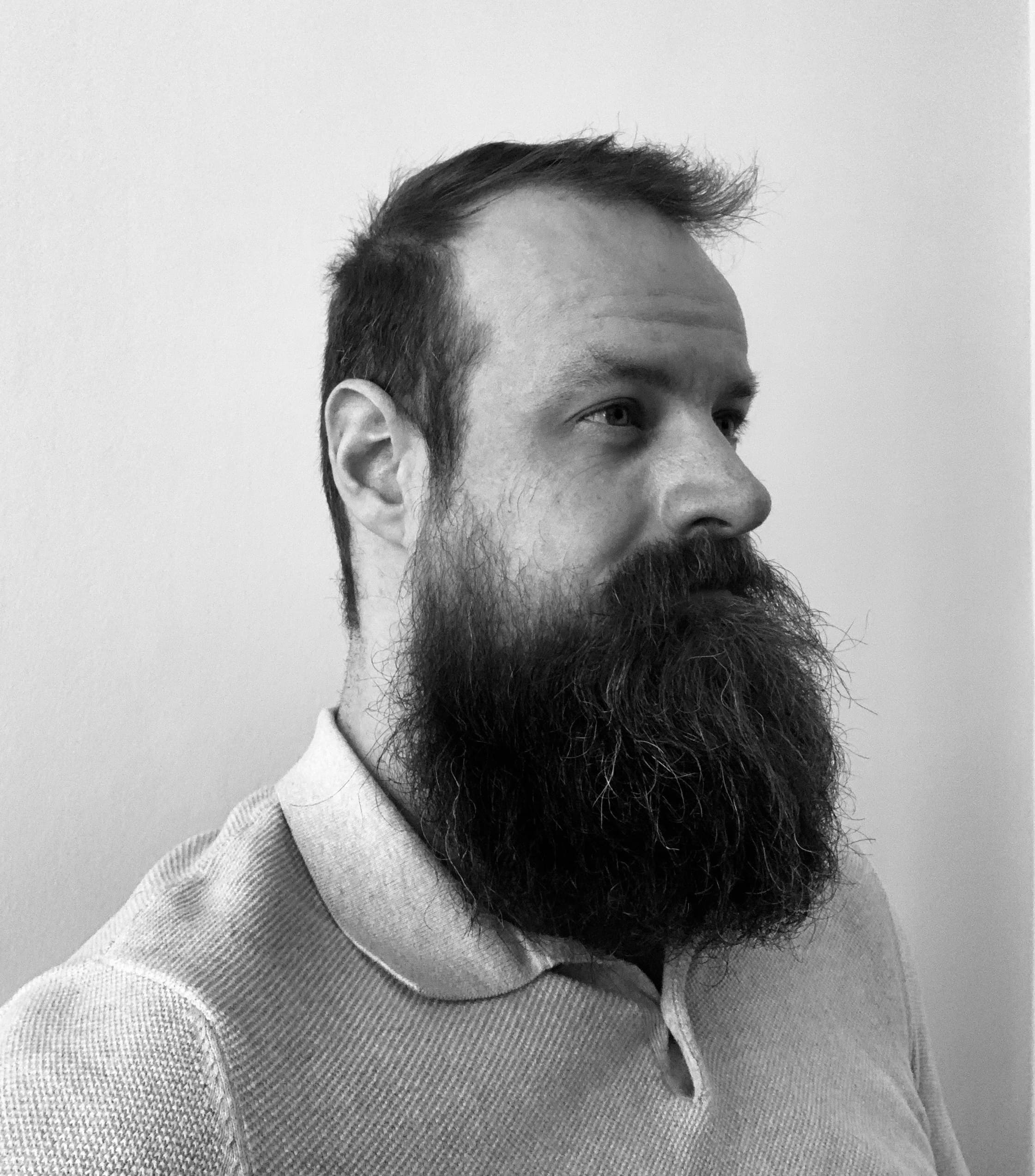
Rick
Founder · Developer
I'm a futures trader with a decade in the equity and futures markets — and a systems developer who has spent that career building trading infrastructure: C++ execution paths, market-data feed handlers, real-time engines, custom studies for the platforms professionals already run. Sharpnel is the terminal I wanted for my own trading, and rather than cobble together five tools, I rebuilt the category from scratch.
This isn't my first terminal. I've built this class of software before — execution systems and feed handling under real trading, where a dropped packet is money — and Sharpnel is the first one built my way, for everyone. That background is why the data path is tick-accurate and the render engine holds 60fps with full-depth books on commodity hardware: none of it is a first attempt.
When you send an email, it lands in one inbox. The reply is from me, not a support queue. When you file a feature request, I read every one. That's the whole company and it's going to stay that way.
Solo-dev transparency
Fast changes
A bug fix can ship the same day. A feature request can land inside a week. No steering committee, no prioritization ritual — just pick it up and ship it.
Known limits
One person can't be everywhere at once. Overnight outages may take until morning to address. Feature requests are triaged by impact, not by who's loudest.
Known alignment
No outside investors pushing for an exit. No ad sales leaking your workspace data. The incentive is to keep subscribers for the long haul — which is exactly the alignment the product reflects.
The best way to get the pitch is to put the terminal on your own screen. The free Explorer tier lets you evaluate everything on delayed data — no credit card, no time limit.
Affiliate program lives at /affiliate — 30% recurring on every customer you refer, for as long as they stay.
